
Why Invest In Budapest
invest in budapest
Why is Budapest Attractive for Foreign Investors?
Relatively low prices compared to both Eastern and Western Europe – Budapest is still cheaper than many Central and Eastern European capitals but offers good returns nonetheless.
Based on 2024 data, average price per square meter in city centers:
-
Budapest: approx. 1,500–2,500 EUR/m²
-
Prague: approx. 3,500–5,000 EUR/m²
-
Warsaw: approx. 2,500–4,000 EUR/m²
-
Bratislava: approx. 3,000–4,500 EUR/m²
-
Bucharest: approx. 1,800–2,800 EUR/m²
-
Zagreb: approx. 2,500–3,500 EUR/m²
Average price per square meter in city centers (selected Western European cities):
| City | Average Price (EUR/m²) |
|---|---|
| Budapest | 1,500–2,500 |
| Vienna | 6,000–8,000 |
| Berlin | 5,000–7,000 |
| Paris | 10,000–13,000 |
| Amsterdam | 8,000–11,000 |
| Madrid | 4,000–6,000 |
Which Districts in Budapest Are Most Attractive for Foreign Investors?
District V – Belváros/Lipótváros
-
Why is it attractive? It’s the political, touristic, and business heart of the city. Parliament, the Danube promenade, and Váci Street are all within walking distance.
-
Best suited for: Short-term rentals (Airbnb), the luxury segment, premium tenants.
-
Downside: Extremely high property prices and a saturated market.
District VI – Terézváros
-
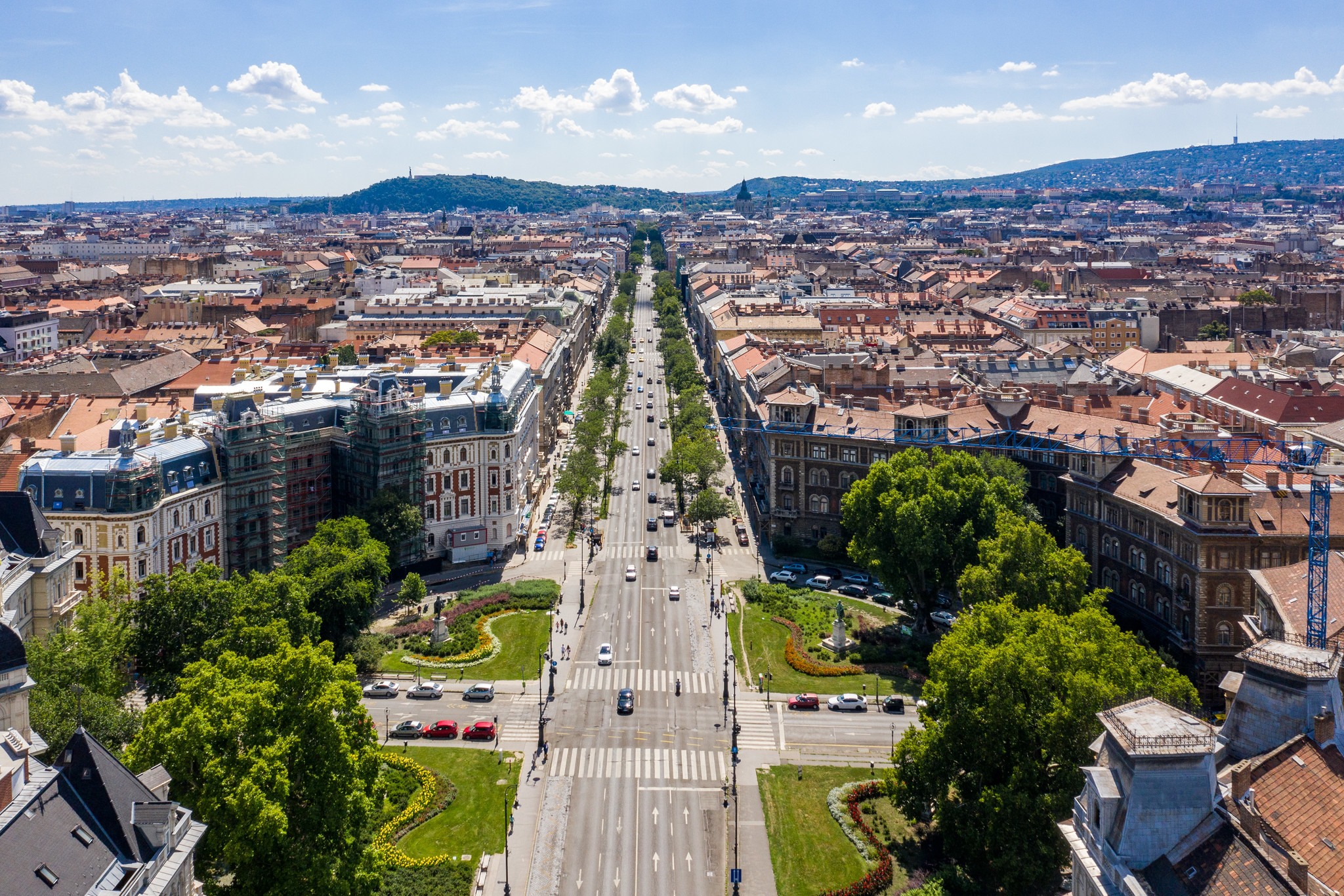
Why is it attractive? Home to the Opera House and the elegant Andrássy Avenue, bordering the famous party district. Very popular among foreigners.
-
Best suited for: Student and tourist rentals. Both short- and long-term leases can perform well here.
-
Downside: Some streets can be noisy; building quality varies significantly.
District VII – Erzsébetváros
-
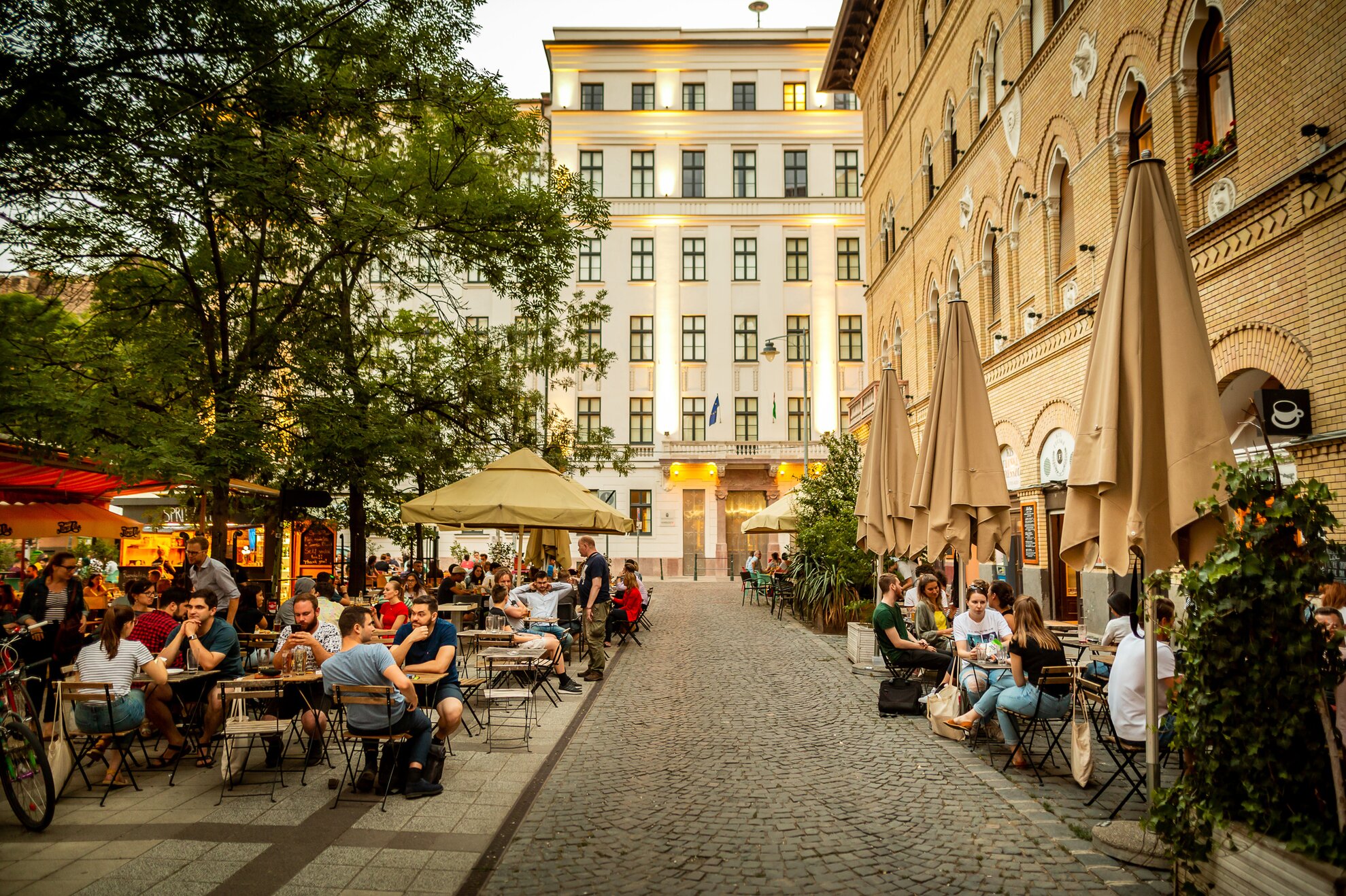
Why is it attractive? Known as the city’s party district and Jewish quarter, full of bars, restaurants, and hostels. A favorite among young tourists.
-
Best suited for: Apartments optimized for Airbnb. Very high occupancy rates.
-
Downside: Frequent noise complaints from locals; potential future restrictions on short-term rentals.
District VIII – Józsefváros (Palotanegyed area only!)
-
Why is it attractive? The Palace Quarter is elegant, historic, and located near the city center. It’s close to several universities (ELTE, Pázmány, Semmelweis).
-
Best suited for: Student rentals, long-term leases for expats.
-
Downside: The rest of District VIII is very mixed in quality—only the inner parts are recommended.
District IX – Ferencváros (Inner part only!)
-
Why is it attractive? University area with new riverside developments and modern buildings. Very popular among young people.
-
Best suited for: Students and young expats. Ideal for long-term rental.
-
Advantage: Ongoing urban development and steady rental demand.
District XI – Újbuda (especially around Gellért Hill and Bartók Béla Avenue)
-
Why is it attractive? Greener and more peaceful, yet very well connected. Close to top universities (BME, ELTE).
-
Best suited for: Students, expats, families. A solid long-term investment option.
-
Downside: Less tourist activity, more laid-back atmosphere.

Good to know
Tourism and Short-term Rentals
Tourism and Short-term Rentals – If regulations allow (e.g., Airbnb), downtown apartments generate very good returns compared to Western European properties.
Price growth in Budapest real estate in 2024:
-
Average annual increase: approx. 6–8%
-
Some inner districts (V., VI., VII., IX.) saw growth exceeding 10%
-
Outer districts (XVII., XXIII., etc.) experienced lower growth of about 3–5%
-
Growth driven mainly by:
-
Investment demand as hedge against inflation
-
Returning foreign investors
-
Improving tourism and short-term rental outlook
-
Airbnb (short-term rental) yields in Budapest in 2024:
-
Gross annual yield: on average 6–10%
-
Net yield (after tax and operating costs): 4–6%
-
Best yields found in:
-
District VII (Erzsébetváros) – tourist hotspot
-
District V (Belváros-Lipótváros)
-
District VI (Terézváros)
-
Important factors:
-
District regulations (e.g., limits on rental days)
-
Tourism volume (which significantly increased in 2024 compared to 2020–2022)
example
Yield and payback
Example:
A 50 m² downtown apartment rented out 5 nights per week at an average of 60–80 EUR/night:
Gross income: approx. 15,000–20,000 EUR/year
Net income (after operating costs and taxes): approx. 8,000–12,000 EUR
Example:
Airbnb investment in Budapest – For foreign investors
Purchased property: 50 m² renovated apartment in District VII (Erzsébetváros, Airbnb-friendly zone)
Purchase price: 180,000 EUR (approx. 72 million HUF)
Furnishing + setup: 10,000 EUR (furniture, equipment, photography, marketing, etc.)
Total investment: 190,000 EUR
Airbnb operation:
Average daily rental fee: 75 EUR/night
Occupancy rate: 70% (approx. 255 days/year)
Annual gross revenue: 75 × 255 = 19,125 EUR
Annual costs:
Airbnb management fee (20%): ~3,825 EUR
Utilities, common costs, insurance: ~1,800 EUR
Maintenance, cleaning, other: ~1,200 EUR
Taxation (as foreign individual, under Hungarian rules): approx. 10–15% → ~1,500–2,000 EUR
Total net yield: approx. 10,300–11,000 EUR/year
Yield and payback:
Net annual yield: approx. 5.5–6%
Payback period: approx. 16–18 years, but:
Property value can also increase 5–8% annually
Yield is generated in euros, important for Western investors
Dual income potential: rental yield + capital appreciation
Why is this good for a foreign investor?
Low entry price: Budapest is cheaper compared to Western European prices.
Stable tourism: Budapest is again a popular international destination, visited year-round.
Higher yields: much better percentage returns compared to Berlin or Vienna.
Strong rental market: good short-term rental potential with stable long-term demand.
Relatively low political risk (EU member state, stable economy).
No currency risk if income is in euros (many guests pay in euros via platforms like Booking).
risks
Currency risk and opportunity – how it works:
1. If the Hungarian forint weakens against the euro or dollar
This has been the most common case in recent years.
Advantages for foreign investors:
They can buy property cheaper when calculated in euros or dollars.
For example, if 1 EUR = 370 HUF → a 74 million HUF apartment = approx. 200,000 EUR
Later, if 1 EUR = 400 HUF → the same apartment costs only 185,000 EUR
If the investor calculates yield in euros or dollars, returns may increase during forint weakness.
Risk: Rental income (e.g., Airbnb) is received in forints unless automatically converted to foreign currency.
If the forint weakens and the investor transfers money abroad, they receive fewer euros/dollars.
If the forint strengthens
This is less frequent but possible (e.g., during 2011–2015).
Advantages:
Income received in forints is worth more when converted to euros.
For example, monthly Airbnb income of 1 million HUF → 2,700 EUR (exchange rate 360)
If 1 EUR = 340 HUF → 2,940 EUR, a +9% gain just from exchange rates.
Risk:
If the investor buys now at a higher euro price and the forint later weakens, it may cause a loss in value.
How to make this an advantage?
Timed purchase: buy when the forint is weak (cheaper in euros).
Currency choice: collect income in euros via online platforms (e.g., Booking, Airbnb) to minimize currency risk.
Dual currency strategy:
Buy cheaply in forints,
Keep and convert yield in euros or dollars,
This can allow “currency arbitrage.”
Combine with capital appreciation: property value rises in forints, and if the forint weakens, euro value increases too.
about budapest
Attractions, Festivals
and Fairs
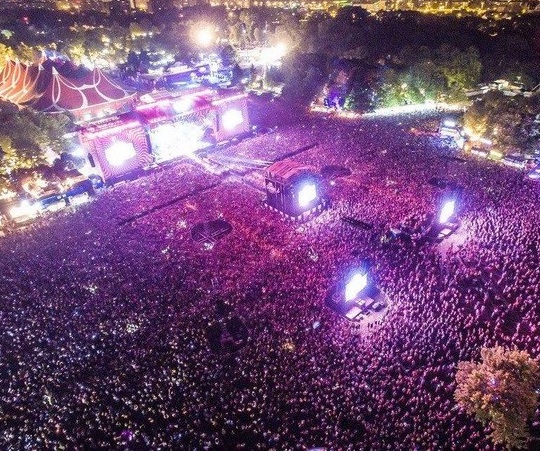
From 2000 to 2020, the number of visitors to Budapest doubled, and developments show a constantly increasing trend.
Straddling the giant River Danube, Budapest has long served as Hungary’s cultural and administrative epicentre. Situated at the confluence of the country’s western hills and eastern and southern plains, the city is named after and split into two parts on either side of the river – Buda to the west and Pest to the east.
history
Explore the past
Tourists can explore more than one thousand year of history of Hungary. Hungary in its modern (post-1946) borders roughly corresponds to the Great Hungarian Plain (the Pannonian Basin) The name “Pannonian” comes from Pannonia, a province of the Roman Empire.
The Magyars were Christianized at the end of the 10th century, and the Christian Kingdom of Hungary was established in AD 1000, ruled by the Árpád dynasty for the following three centuries.
Explore more Hungarian conquest, Matthias Corvinus and the Hunyadi era, Turkish occupation, Revolution and War of Independence of 1848-49, World War I. II. The revolution and freedom fight of 1956, Democratic transformation after the Soviet bloc.
Culture
City of culture
Hungarian culture is characterized by its distinctive cuisine, folk traditions, poetry, theater, religious customs, music and traditional embroidered garments.
Hungarian folk traditions range from embroidery, decorated pottery and carvings to the lively celebrations of folk music.
Historically, Hungarian music also largely consists of Roma Music alongside classical and baroque pieces.
Budapest is the City of Waters and Spas, Education and Universities, world famous inventors and inventions, theatrical performances and concerts of classical and light music every day, with both Hungarian artists and guests from all over the world.
Gastronomy
Hedonistic pleasures
Hungarian cuisine has influenced the history of the Magyar people, and vice versa.
The importance of livestock and the nomadic lifestyle of the Magyar people, as well as a hearkening to their steppe past, is apparent in the prominence of meat in Hungarian food and may be reflected in traditional meat dishes cooked over the fire like goulash.
There are many more special food to discover just like kefir, quark, a savoury crêpe filled with veal, fish soup with hot paprika, rich bean soup, lecsó – mixed vegetable stew, pan-fried meatballs, Gundel crêpe, Sweet plum dumplings, Stuffed peppers,
Good to know
TOP 16 Attractions of Budapest
The central area of Budapest along the Danube River is classified as a UNESCO World Heritage Site and has several notable monuments of classical architecture, including the Hungarian Parliament and the Buda Castle.
The city also has around 80 geothermal springs, the largest thermal water cave system, second largest synagogue, and third largest Parliament building in the world. Budapest attracts around 12 million international tourists per year, making it a highly popular destination in Europe. It also topped the Best European Destinations 2020 list by Big7Media.
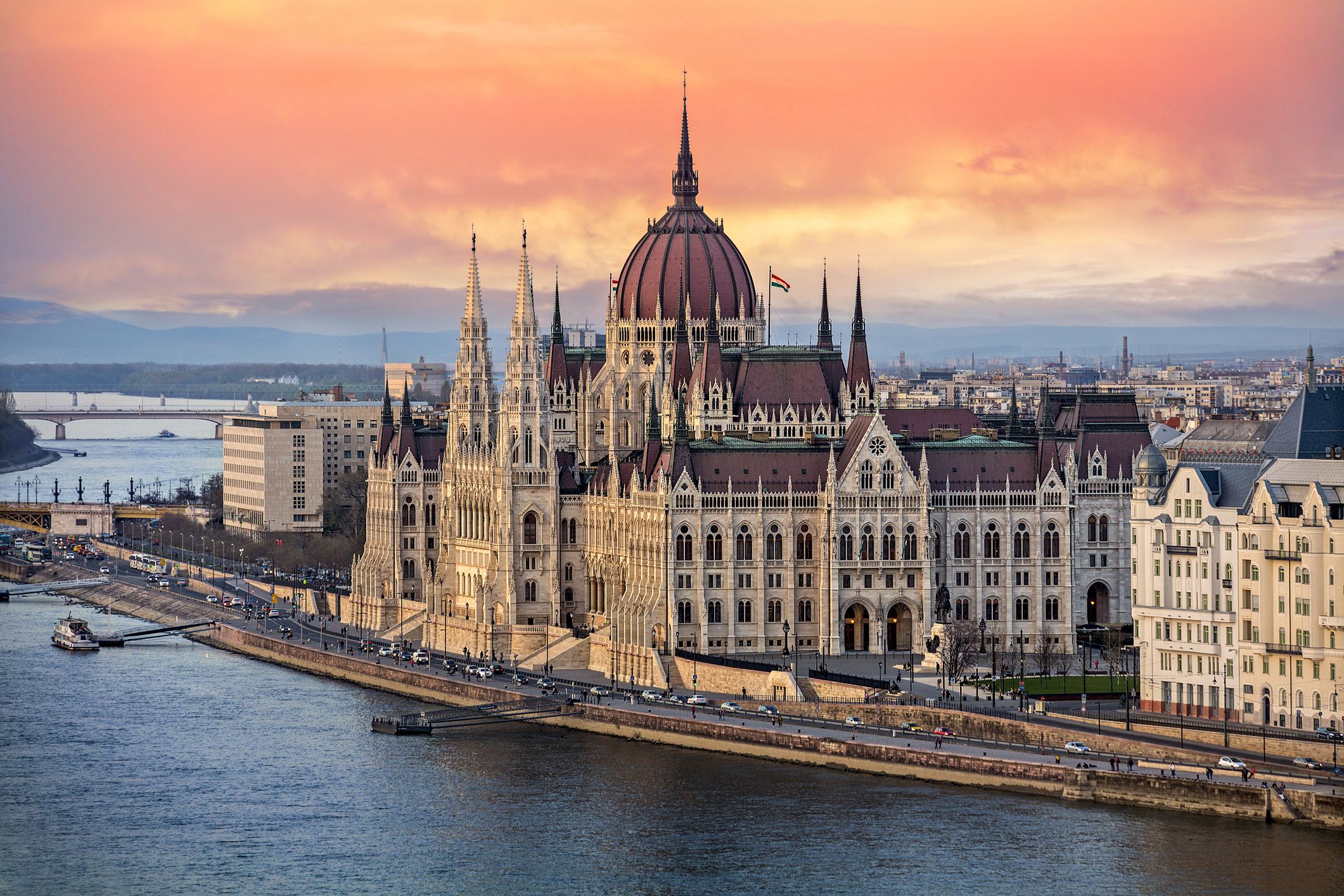
Hungarian Parliament Building
The world’s third largest parliament building, It was designed by Hungarian architect Imre Steindl in neo-Gothic style and opened in 1902.
Buda Castle
Historical castle and palace complex of the Hungarian Kings in Budapest. It was first completed in 1265. The massive Baroque palace today occupying most of the site was built between 1749 and 1769
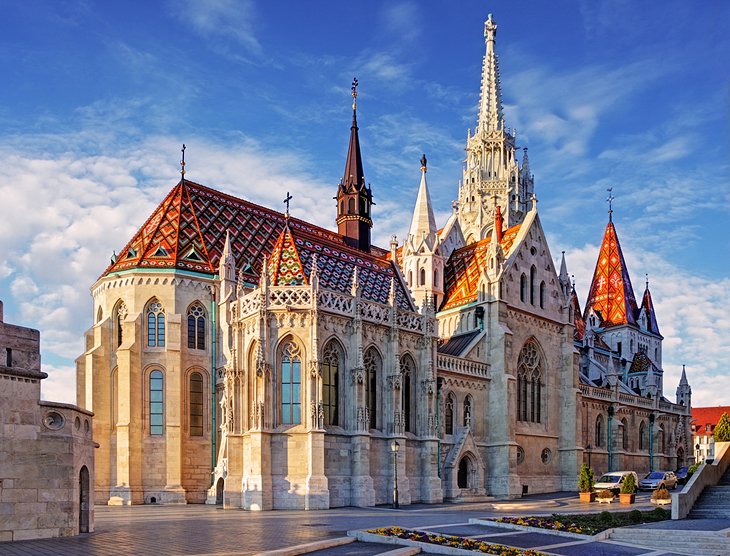
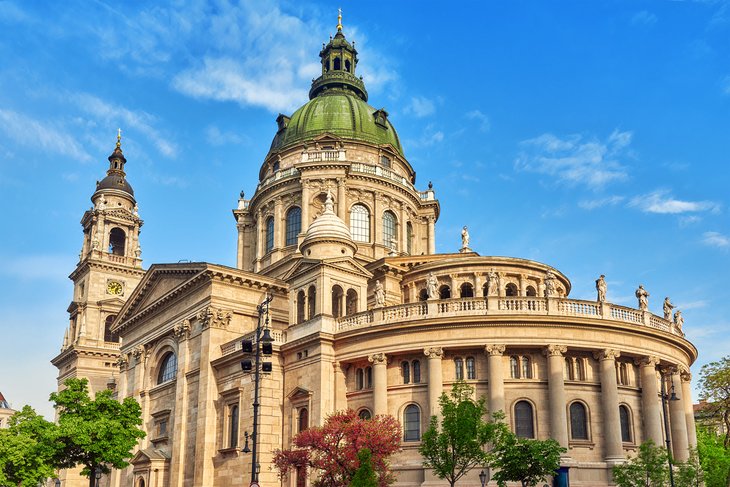
St. Stephen’s Basilica
RomanCatholic basilica in Budapest, Hungary. It is named in honour of Stephen, the first King of Hungary (c 975–1038)
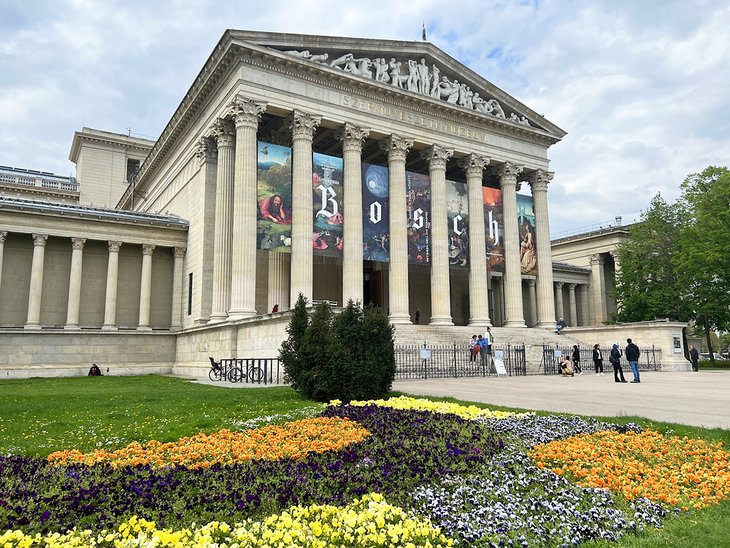
The Museum of Fine Arts
Not only Budapest’s most important art gallery, it houses one of the largest collections of works by the Old Masters to be found in Europe.
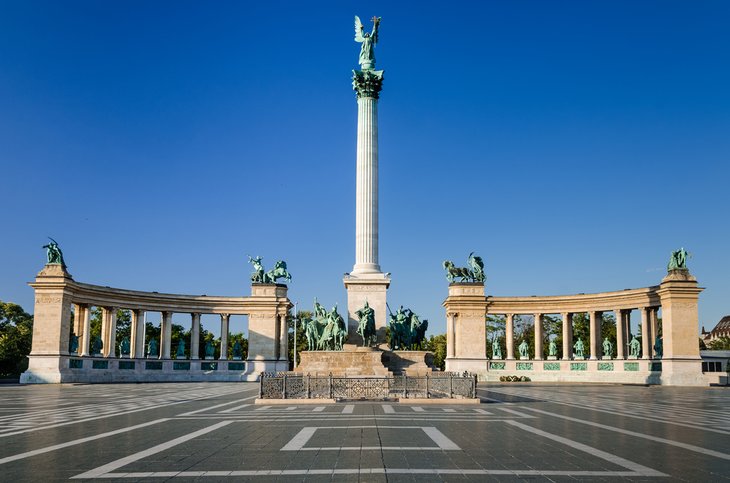
Heroes’ Square
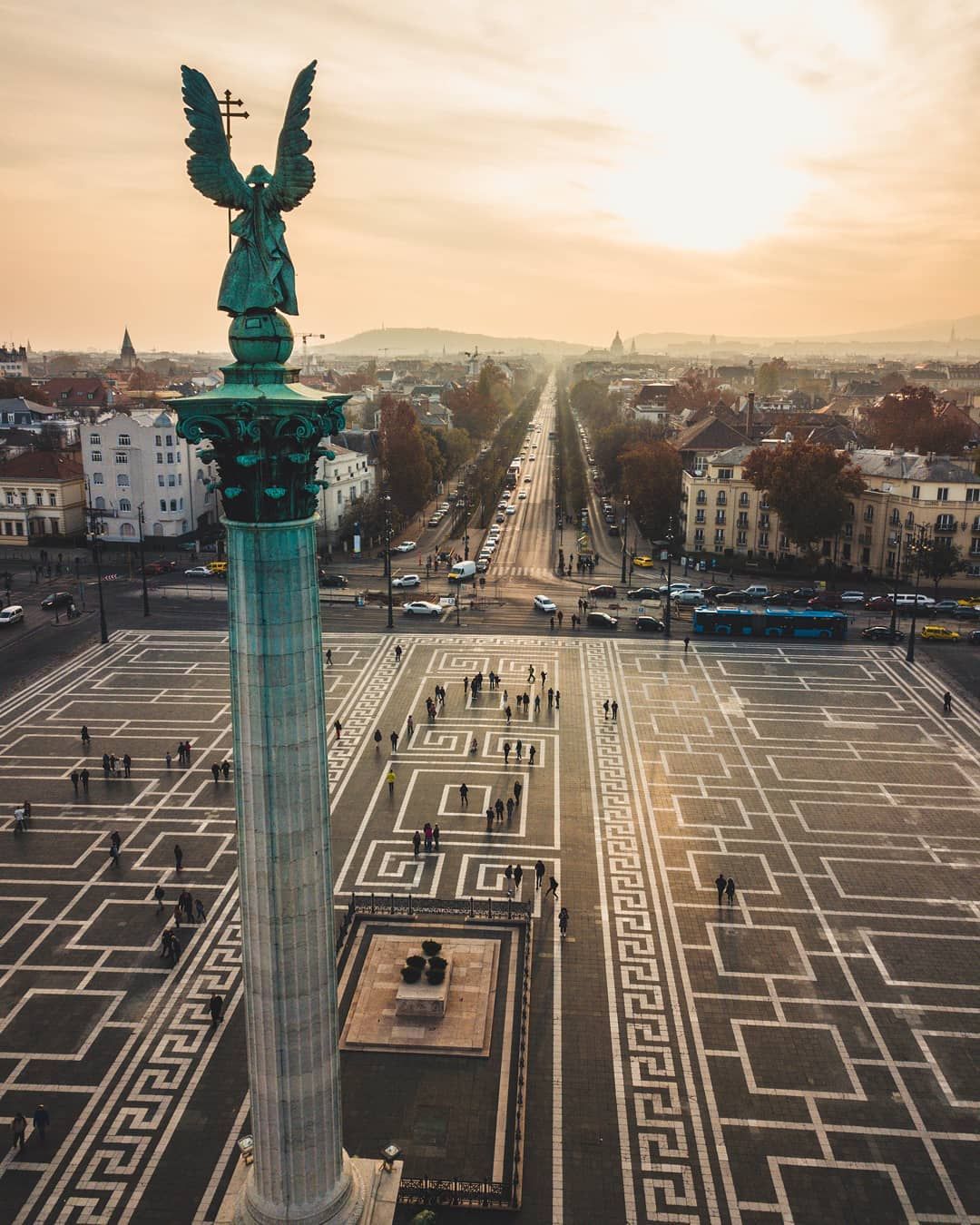
Millennium Monument, a 36-meter column crowned by a figure of the Archangel Gabriel and unveiled in the late 19th century. Around the plinth can be seen a group of bronze horsemen representing the conquering Magyar Prince Árpád and six of his fellow warriors.
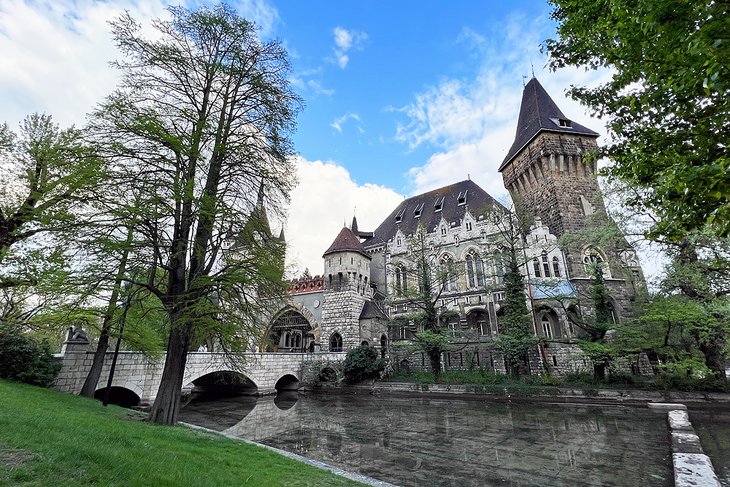
City Park
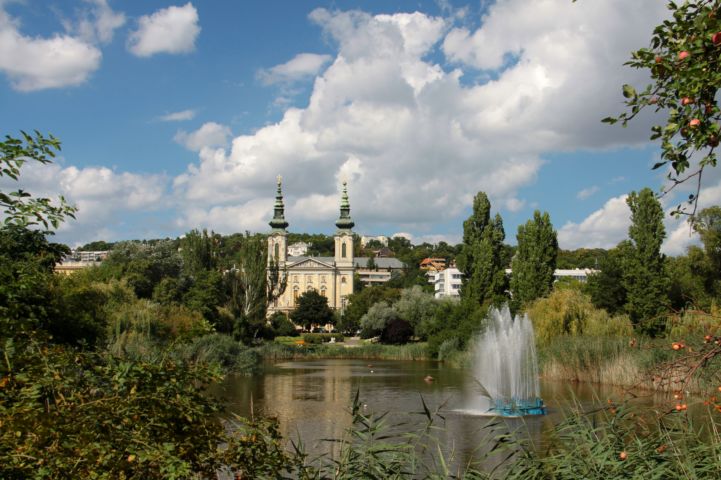
With its pretty lake, the 302-acre heavily wooded City Park is a popular recreational site for both Budapest locals and visitors. Laid out in the 19th century, the park has had many additions over the years.
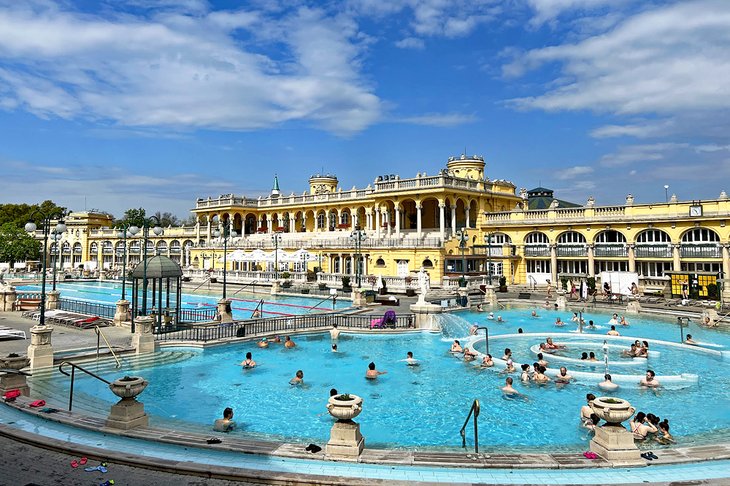
Széchenyi Thermal Bath
Budapest is well-known worldwide for its incredible thermal springs, many of which have been harnessed to provide citizens, as well as visiting tourists, the opportunity to relax and rejuvenate in thermal baths.
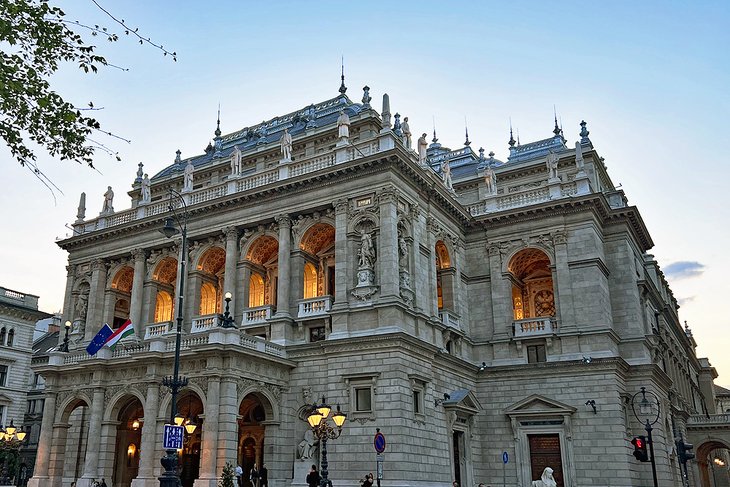
Hungarian State Opera House
As impressive inside as it is on the outside, the Hungarian State Opera House is a must-see when in Budapest. The building’s dimensions alone are impressive, and since it opened in 1884, it has commanded top spot on the city’s cultural events calendar.
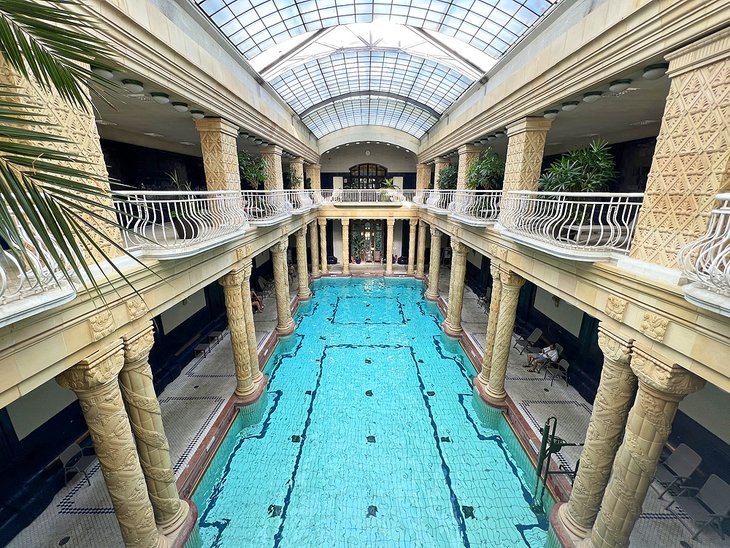
Gellért Spa
Gellért Spa is another famous thermal bath in Budapest. The Art Nouveau bath palace has welcomed bathers to take to its medicinal waters, fed from deep underground springs, since 1918 (check out the vintage photos on display!)..
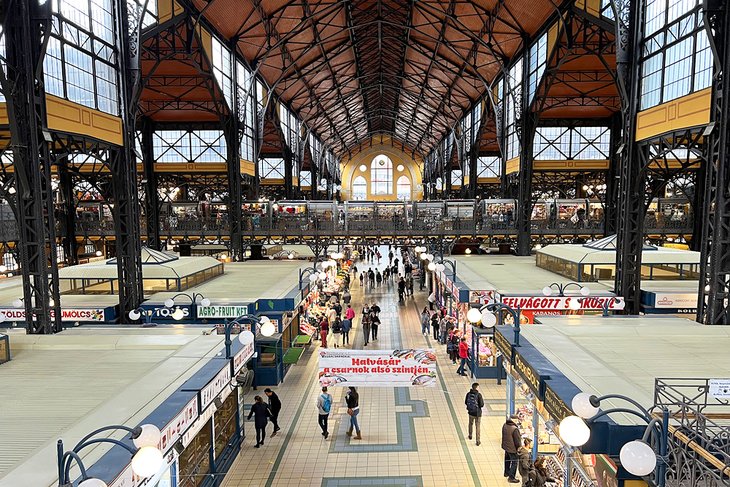
Central Market Hall
Built in 1897 and the largest and oldest of Budapest’s many markets. 10,000 square meters and is as popular with the locals as it is with tourists, here for the abundance of fresh produce, food stuffs, and other goods being traded across its many levels.
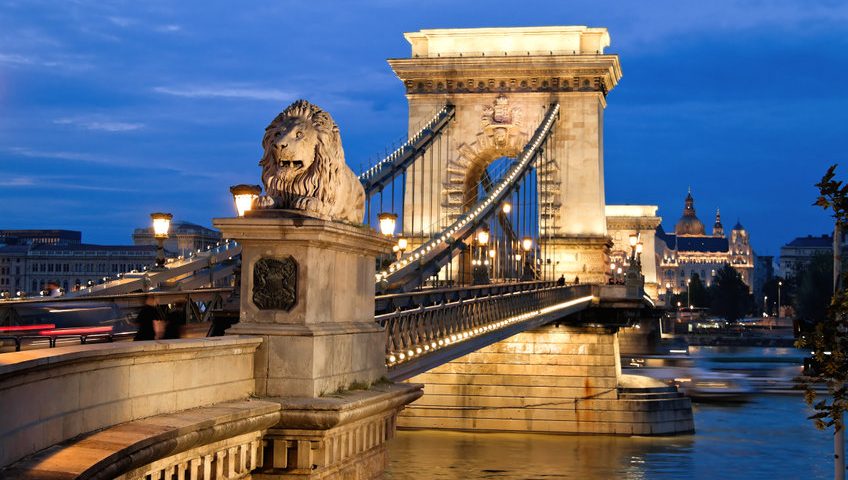
Széchenyi Chain Bridge
Chain bridge that spans the River Danube between Buda and Pest, the western and eastern sides of Budapest. Designed by English engineer William Tierney Clark and built by Scottish engineer Adam Clark, it was the first permanent bridge across the Danube in Hungary. It was opened in 1849.
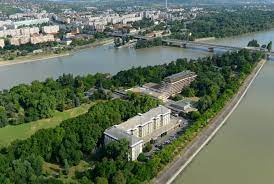
Margaret Island
Margaret Island (Margitsziget), barely 2.4 kilometers long and 503 meters wide, is Budapest’s main recreation and recuperative center for locals. Thermal spring-fed medicinal baths, carefully tended gardens and paths, as well as the ruins of many historic buildings also serve to attract many tourists, too.
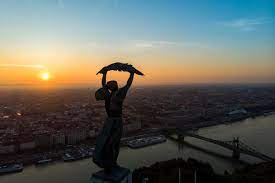
Gellért Hill
235-meter block of dolomite that falls steeply down to the Danube. It’s here along the hill’s geological fault line that several of the city’s most famous medicinal springs emerge to supply the Gellért Spa and Rudas Baths, which have lured visitors from far and wide since the 13th century.
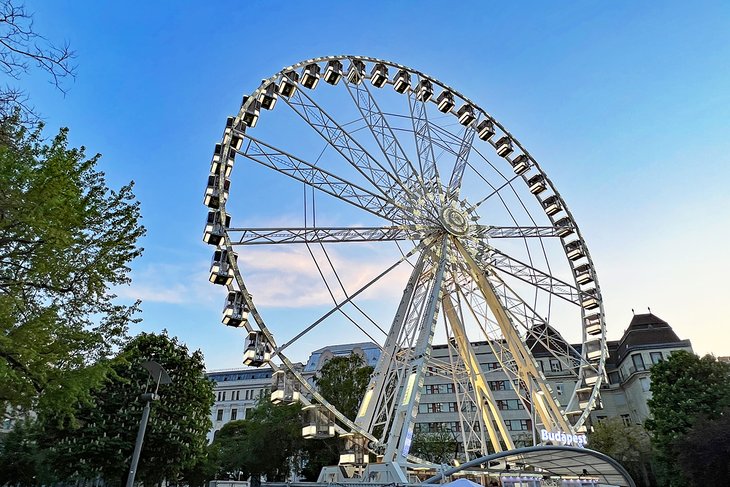
Ferris Wheel
For the best views of the entire city, take a ride on the Ferris Wheel of Budapest in Erzsébet Square. Its 65-meter height allows you to get amazing vantage points of Buda Castle, St. Stephen’s Basilica, and the Hungarian Parliament Building from any of the 42 partially open cabins.
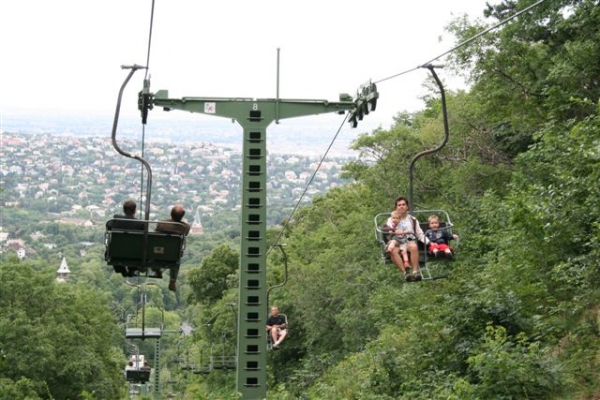
Cable car
The cable car’s route is 1,040 m long, the height difference between its two stations is 262 m, and it covers this distance in about 12 minutes. The support cable runs under the wheels of the columns in two places, and above the wheels in the others.
budapest is the
Ninth-largest city in the European Union
Budapest is the capital and most populous city of Hungary. It is the ninth-largest city in the European Union by population within city limits and the second-largest city on the Danube river, the city has an estimated population of 1,752,286 over a land area of about 525 square kilometres (203 square miles). Budapest, which is both a city and county, forms the centre of the Budapest metropolitan area, which has an area of 7,626 square kilometres (2,944 square miles) and a population of 3,303,786; it is a primate city, constituting 33% of the population of Hungary.
Interested in investing in Budapest?
Let Us Help You Take Your Money To New Heights
Ready to discover the best investment opportunities in Budapest?
Contact our experts now for up-to-date information and tailored solutions. We’re here to help you make the most of your investment!
📞 Call us or visit us in person.
Contact
Get In Touch
Discover why Budapest is the smart choice for investors.
Connect with us for exclusive data, current trends, and expert guidance. Contact us now to start your investment journey!.

Divi Investment Firm.
Cras ultricies ligula sed magna dictum porta. Praesent sapien massa, convallis a Cras ultricies ligula sed magna dictum porta. Praesent sapien massa, convallis a Cras ultricies ligula sed magna dictum porta.